This gallery shows dynamic before and after examples of architectural and design retouching projects.
Working B2B with architectural firms and interior designers or partnering directly with architectural photographers, these assignments span a scope that ranges from tonal enhancements and product color matching to extensive cleanup of construction sites and everything in between.
Move the slider left and right to reveal the before and after slides.
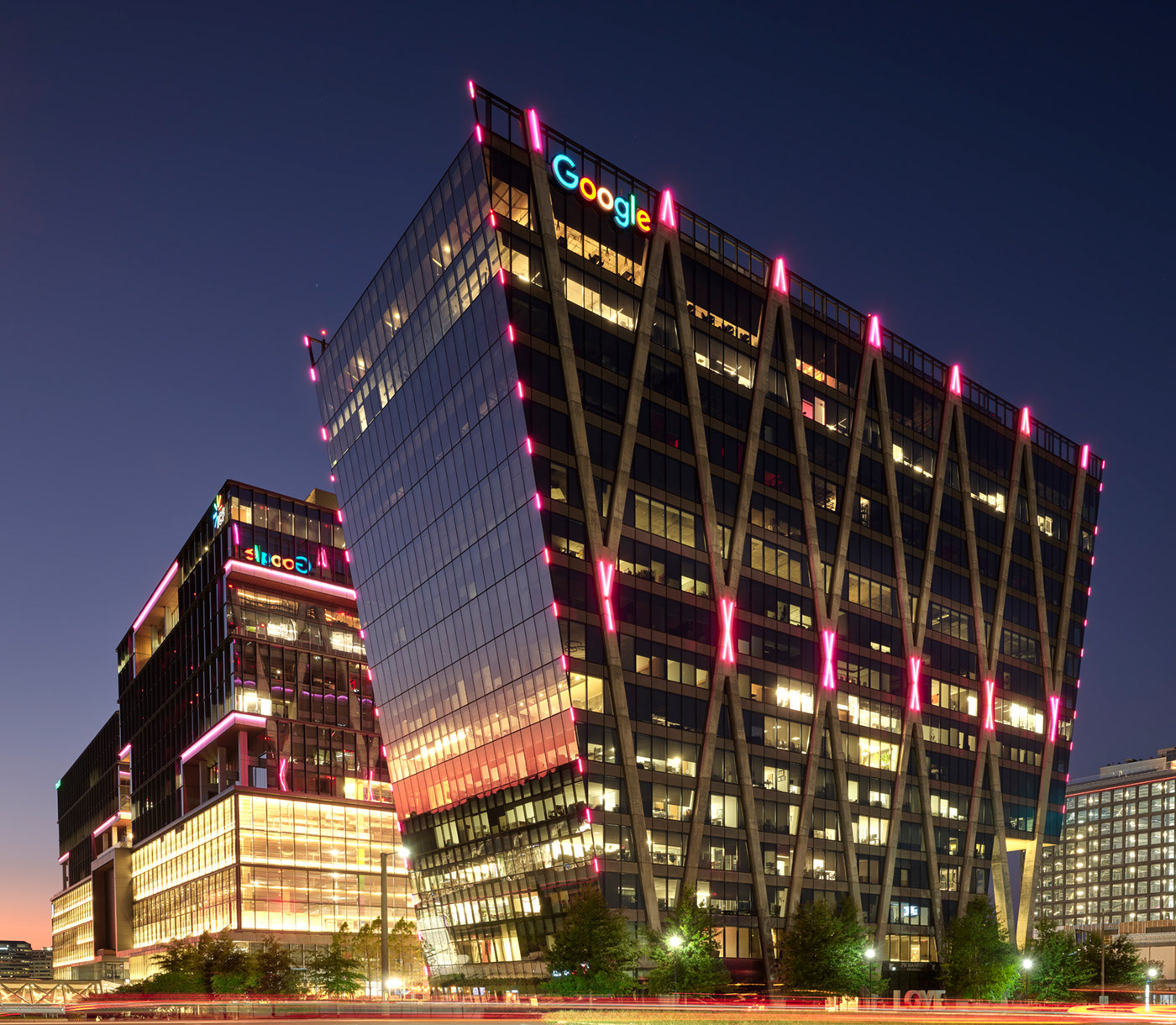
Image © Cameron Davidson All rights reserved.
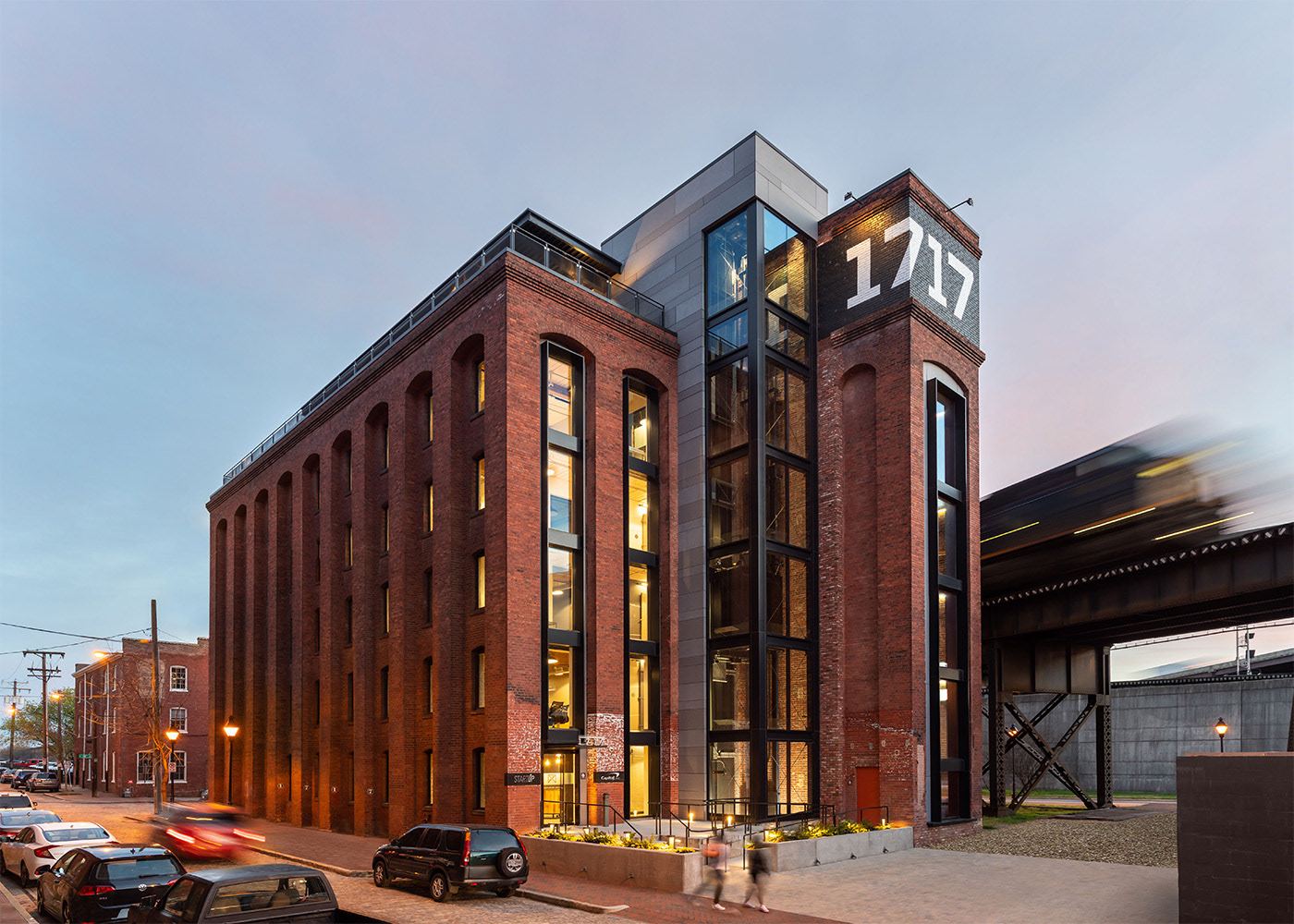
Image © Ansel Olsen All rights reserved.
In the above image shot by photographer Ansel Olsen for Client Capital One,the assignment was to remove the telephone pole all of the wires, the parked sedan on the left and composite in the walking couple from an additional frame. all of the mortar lines needed to be kept in perspective, and the lighting needed to remain 100% consistent.
In the below kitchen image the hand-forged drawer pulls were not ready in time for the photo shoot, so using one sample provided from the designer, we modeled the pulls in 3D, arranged them in perspective and lit them similarly to the existing image. We then rendered it out complete with natural looking shadows. Next, the temporary pulls were retouched out, then new cabinet pulls were rendered and composited into the photograph.
In the patio image below there were a large number of wet bricks, too many fallen leaves which needed to be removed as well as color and tonal adjustments made to match the patio block product to the spec. A roaring fire was also added to the hearth.
In this next image, the rug was reflecting it's own color into the furniture altering the color of the product. We selected the product and matched the manufacturer's swatches for the fabric and rattan, then brought back some blown out highlight detail using an additional exposure provided by the photographer. The resulting image is more balanced, pleasing and color accurate.
In the image of Mount Vernon below, the roof of the building on the left had just been re-shingled with cedar shakes but had not yet been painted. We digitally painted the new roofing, corrected the lens distortion and performed minor cleanup of distracting elements on this remarkable historical property.
In the poolside image below, we removed the palm tree and fence, reduced haze, then punched the overall color and tonal values.
In the image below the designer contacted the photographer after the shoot to see if they had a variation of this image with the room lights lit. Unfortunately this was not shot, so we performed a split process on the RAW file making it much brighter and warmer in color. Next we layered this "split processed" copy over the original in masking it precisely to the light fixtures and hand painting a projection pattern on the wall and a splash of light on the books, giving the illusion of the lamps being lit and eliminating the need for a reshoot.
In the below aerial image of the Tower of London, temporary tents, puddles and port-o-loos were removed in addition to distracting roof elements, automobiles and HVAC units.
The work on the below image of a Washington D.C residence is an example of a subtle but impactful change to remove a distracting hump in the ceiling, and extend the wallpaper creating a clean line for the eye to follow. Designers often have to accomodate the quirky charachter of historical properties, but tidiying up these quirks removes distraction and lets the design resonate by focusing the eye on the more important elements of a space.
Sometimes images are taken from an angle that is never seen in the day to day use of a space. Often these angles flatter one feature but also reveal elements that only the eagles or maintance staff will ever see. In these instances we are often asked to eliminate distracting elements and let the design take center stage.
In the image below removing the return register keeps the eye focused on the important details of the design. The table was selected, then vent was removed and the shadows were hand painted to match the existing lighting.
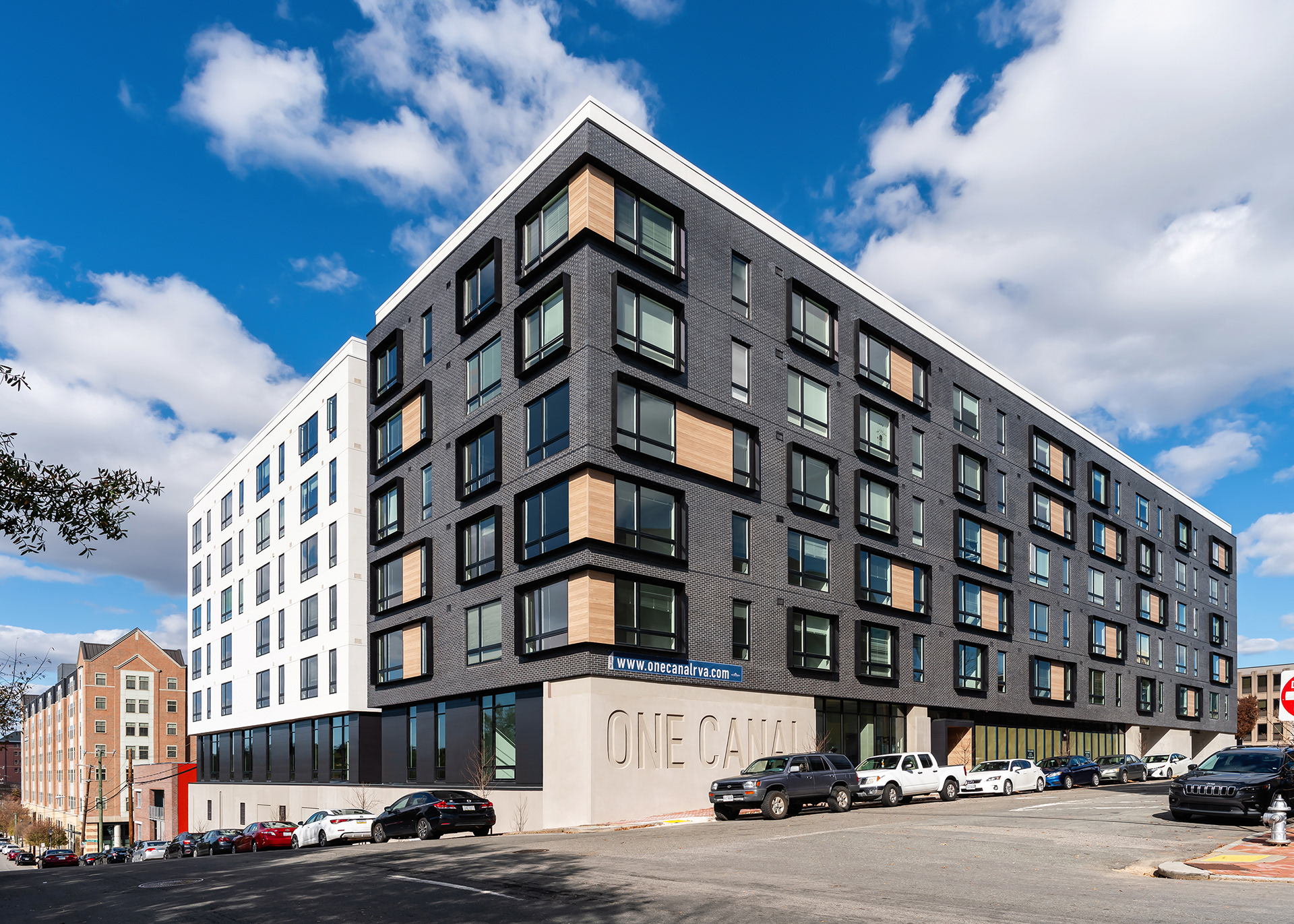
Image © Ansel Olsen All rights reserved.
Very often an item on the punch list is not checked off in time for the photo shoot. In the below image, one of the cabinet drawer fronts had not yet been installed and the photographer reached out to us to create one using it's neighbor to digitally fabricate one and fill in the hole. The trick is keeping it in perspective with the exsisting drawer and altering it slightly to not look like an exact copy.
In the below image for photographer Ansel Olsen and Client Capital One, the assignment was to remove the telephone pole, all of the wires the parked sedan on the left and composite in the walking couple from an additional frame.
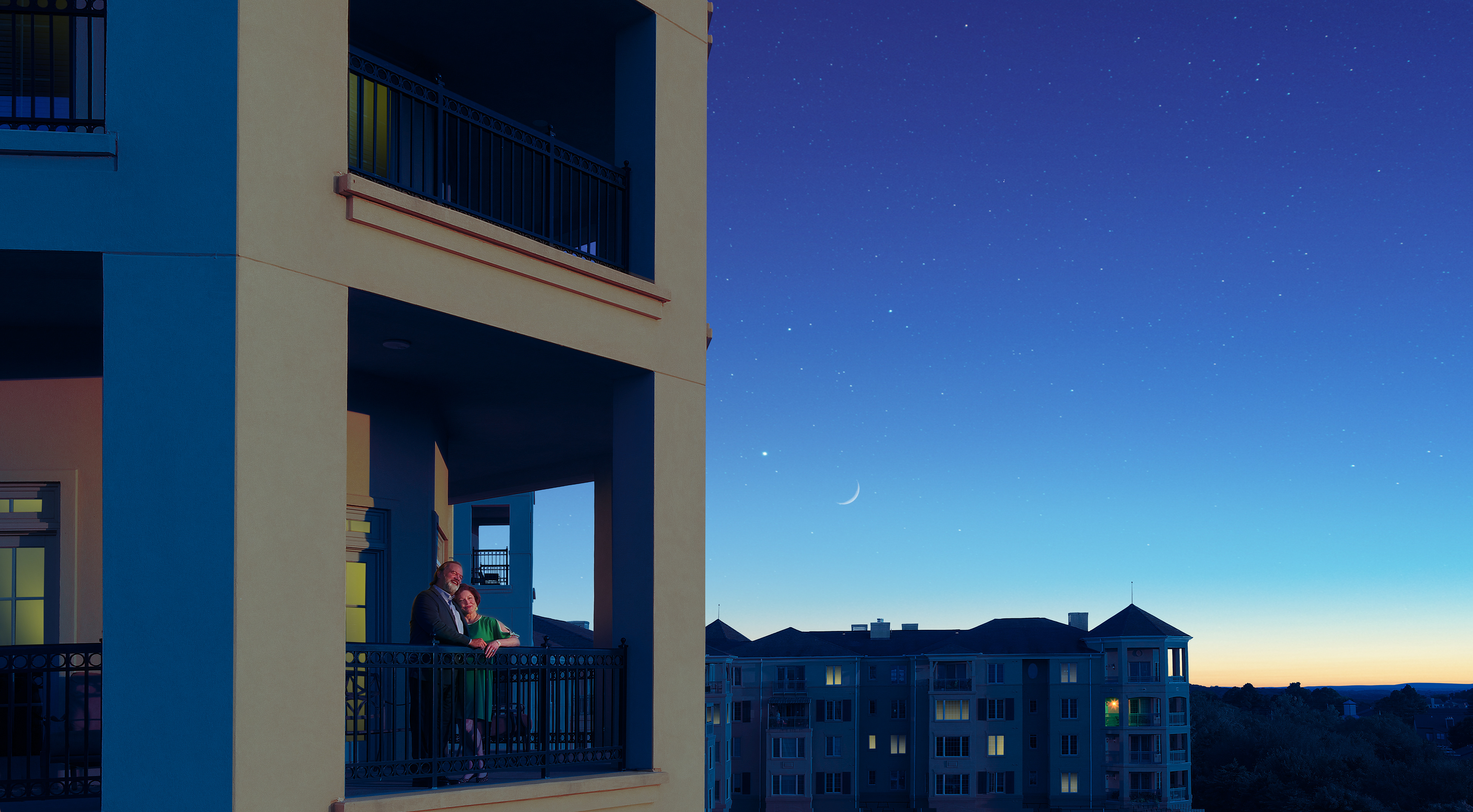
Below is a drone frame grab from a TV spot that was extracted and polished into a print ad for Pinnacle Living, a luxury retirement community in Henrico Virginia.